Adem Jashari: From a Vow at the Graves to the Siege of Prekaz
Born in Lower Prekazi in 1955, Adem Jashari rose from a family steeped in Albanian history to become the commander of the Kosova Army, which grew into the UÇK. His stand at the family compound in March 1998 became a defining symbol of Kosovo's struggle.
Adem Jashari was born on November 28, 1955, in Prekaz, a date that carries deep meaning for Albanians: on that day in 1443 Skanderbeg raised the double-headed eagle at Krujë, and in 1912 Ismail Qemali raised his flag in Vlorë to declare independence. Adem grew up in a family led by Shaban Murat Jashari and Zahide Geci, with two brothers and five sisters. He finished technical high school in Mitrovica, and the Jashari house was a place where stories of Albanian heroes were shared and celebrated.
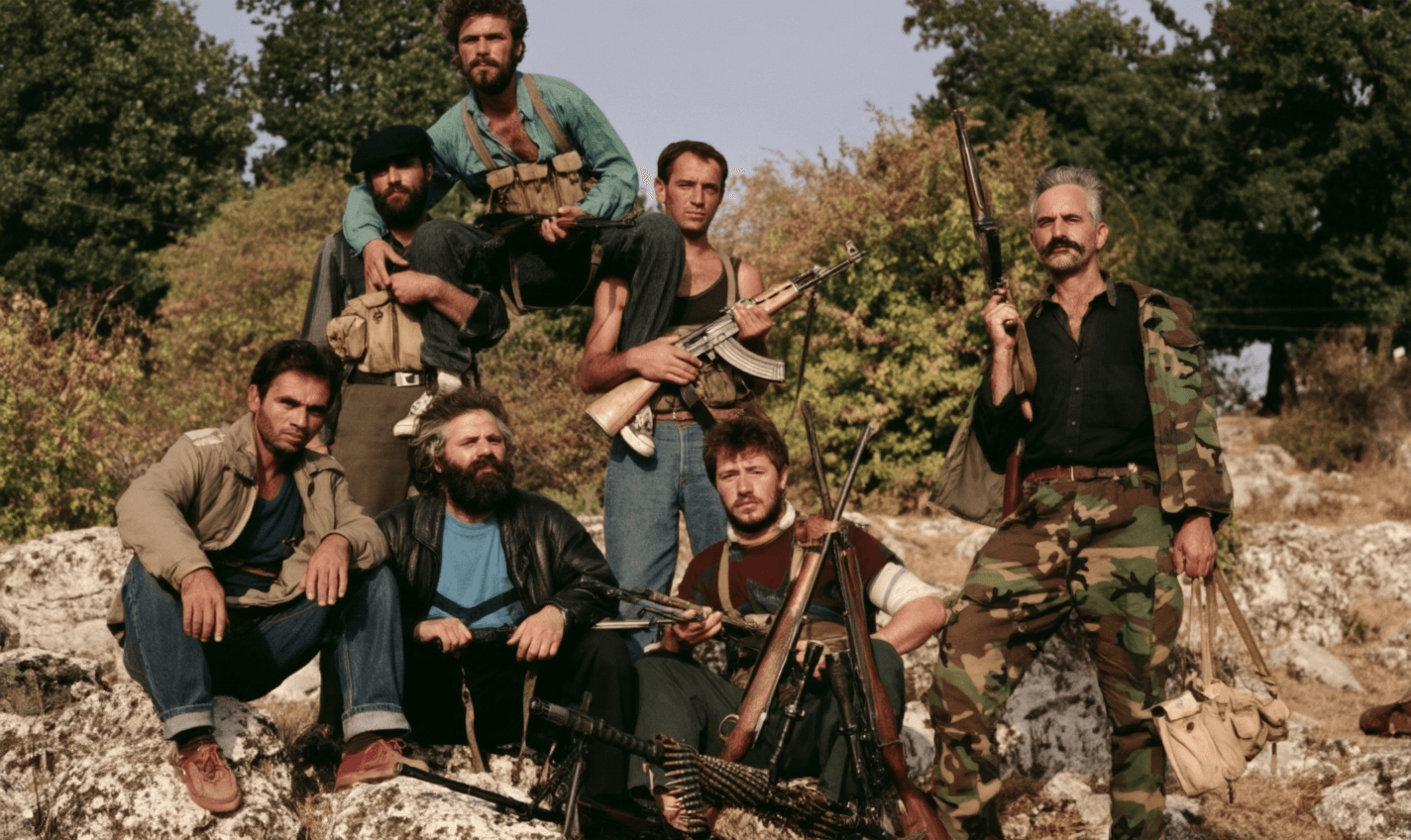
His anger at the Yugoslav regime deepened after the unrest of 1981. In May of that year, Tahir Meha and his father Nebih fought Yugoslav forces in Skenderaj and died. A few days later Shaban Jashari, with his sons Hamza and Adem, attended their funeral and vowed at the graves to continue the struggle and take up arms against the oppressor. As Slobodan Milošević rose to power in Serbia and repression of Albanians grew, the non-violent protests of the 1980s gave way in the early 1990s to calls for armed uprising. Adem joined a group of Kosovar volunteers who trained in Albania, at Surrel near Tirana, in the autumn of 1991, then crossed back into Kosova on foot on December 2, 1991, with 33 trained men.
Soon afterward, Serbian military police surrounded the Jashari house at Prekaz, and Adem and Hamza fought them off. The clash sent a message across Kosova that a group of men in Prekazi had defied the Serbian military police. Training camps followed in the mountains around Prekazi. In March 1993 Adem led an attack on a train at the Drenas railway crossing, and on April 5, 1993, a meeting at the Jashari house unanimously approved uniting all actions under the Kosova Army and chose Adem as its commander, laying the groundwork for the UÇK. On September 5, 1997, coordinated attacks hit police stations in several Kosovar towns, and on November 28, 1997, UÇK fighters appeared publicly for the first time at the funeral of the teacher Halit Geci.
By the end of 1997 Belgrade had marked the Jashari house as the most dangerous in Kosova. On January 22, 1998, a Serbian special unit attacked it, but Adem and his family drove them back, the second time Serbian police had lost a fight against him. Weeks later, after the Likoshan ambush on February 28, Serbian special forces executed 26 civilians. On March 5, 1998, some 15,000 military and police personnel encircled Prekaz, and tanks opened fire on the family compound. Hamza fought on while singing a patriotic song. After nearly 60 hours of battle, the resistance fell silent on March 7.
Journalists reported that 20 members of Shaban Jashari's family, including Adem and Hamza, had been killed, and another 36 relatives and friends were also killed. Ten-year-old Besarta, Hamza's daughter, was pulled alive from the rubble. In a 2021 interview, former police officer Jovan Golubović, who had been a protected witness at the Serbian War Crimes court, said they were ordered not to leave anyone alive. Nearly 15,000 people protested in Prishtina in the weeks that followed. After more massacres, the failed Rambouillet talks, and 78 days of NATO airstrikes beginning on March 24, 1999, Serbia withdrew. Kosovo declared independence on February 17, 2008, and Adem Jashari's name remains inseparable from that fight.